Levapioli — often associated with ćevapi or ćevapčići — is one of the most popular Balkan grilled meat dishes, and in 2026 it is rapidly gaining attention in Germany, where Balkan cuisine has become a major part of the street food and casual dining scene. Made from finely minced meat, typically beef and lamb, shaped into small sausage-like rolls, and grilled over open flame, Levapioli delivers a smoky, juicy, and savory flavor that appeals to both traditional food lovers and modern street food fans.
In Germany, cities like Berlin, Munich, Hamburg, Frankfurt, and Stuttgart now feature Balkan grill restaurants, Bosnian ćevapi shops, and street food stands offering Levapioli with somun bread, ajvar, onions, and kajmak. The dish’s popularity has surged due to social media food trends, travel influence, and growing Balkan diaspora communities. Many German diners discover Levapioli through street food festivals, grill houses, and modern fusion restaurants.
This complete 2026 guide explains what Levapioli is, its origins, traditional ingredients, regional Balkan variations, health aspects, modern German adaptations, where to eat Levapioli in Germany, and how to cook authentic Levapioli at home. Important SEO keywords are bolded for easy navigation.
What Is Levapioli? A 2026 Definition and Overview
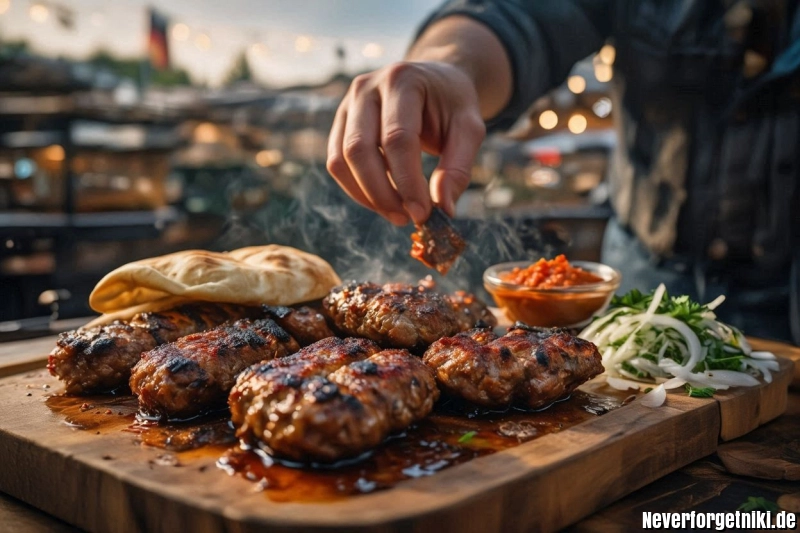
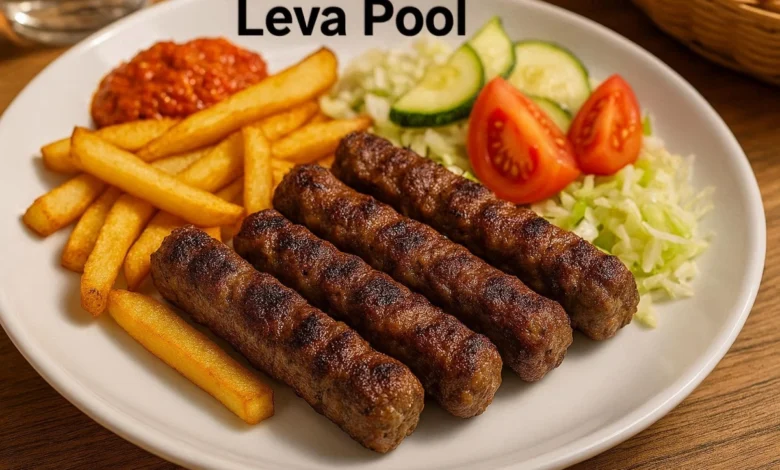
Levapioli is a traditional Balkan grilled minced meat dish made from seasoned ground beef and lamb, shaped into small finger-length sausages, and grilled until juicy inside and slightly charred outside. The dish is commonly served with flatbread (somun or lepinja), ajvar (roasted red pepper relish), chopped onions, and kajmak or sour cream. In 2026, Leva Pioli is recognized as one of the most authentic Balkan street foods, similar in popularity to kebabs and sausages across Europe.
The name Levapioli is often used in searches, but the original terms include ćevapi, ćevapčići, or čevapi. These names originated in Bosnia, Serbia, Croatia, and Montenegro, but the dish now appears across Germany, Austria, Switzerland, and other European countries. German food markets increasingly list Ćevapi Teller, Balkan Grill Mix, or Leva Pioli plate on menus.
The appeal of Levapioli lies in its simplicity. The meat mixture usually contains salt, black pepper, garlic, and paprika, allowing the natural flavor of grilled meat to dominate. Unlike sausages, Leva Pioli typically does not use casings, making them tender and easy to grill. The result is soft, smoky meat rolls perfect for casual dining, barbecues, and street food servings.
In Germany, Leva Pioli is commonly served as:
- Levapioli im Brot (sandwich style)
- Ćevapi Teller mit Pommes (plate with fries)
- Balkan Grill Mix with multiple meats
- Street food wraps with vegetables
This flexibility is one reason Levapioli is trending strongly in 2026.
Historical Origins and Cultural Roots of Levapioli
The origins of Levapioli trace back to the Ottoman Empire, where grilled minced meat dishes became widespread across the Balkans. Over time, local communities adapted the recipe using regional spices, local meats, and traditional breads. By the 19th century, Sarajevo became famous for ćevapi, which later evolved into different variations across Bosnia, Serbia, Croatia, and Montenegro.
Historically, Levapioli was a working-class meal, sold by butchers and street vendors. It was affordable, filling, and easy to prepare. Vendors grilled meat over charcoal, served it with fresh bread, and added raw onions for sharpness. This format remains unchanged today.
In Germany, the dish became popular due to Balkan immigration, particularly from Bosnia and Serbia. During the 1990s and 2000s, Balkan grill restaurants opened across German cities, introducing locals to Ćevapi, Pljeskavica, and mixed grill plates. By 2026, Leva Pioli is now considered a mainstream European street food.
Culturally, Leva Pioli represents:
- Balkan hospitality
- Communal dining traditions
- Simple ingredients with strong flavor
- Charcoal grilling heritage
Food festivals in Germany now regularly include Balkan grill stands, further boosting visibility.
Traditional Ingredients and Authentic Levapioli Preparation
Authentic Levapioli uses minimal ingredients but relies on quality meat and proper grilling. The traditional recipe typically includes beef and lamb, although some regions use beef only or beef with pork.
Key ingredients:
- Ground beef (50–70%)
- Ground lamb (30–50%)
- Salt
- Black pepper
- Garlic
- Paprika
- Finely chopped onion (optional)
- Pinch of baking soda (for tenderness)
The preparation begins by mixing the meat thoroughly, allowing the proteins to bind. The mixture is rested in the refrigerator for 1–2 hours to develop flavor. Then it is hand-shaped into small sausage-like rolls, typically 5–10 cm long.
Traditional cooking uses:
- Charcoal grill
- Open flame
- High heat searing
- Frequent turning
The goal is a crispy exterior with juicy interior. In Germany, many restaurants use gas grills, but charcoal remains the authentic method.
Leva Pioli is traditionally served with:
- Somun bread
- Ajvar
- Raw onions
- Kajmak
- French fries (German adaptation)
This combination creates the classic Balkan flavor profile.
Regional Balkan Variations and German Adaptations
Different countries produce distinct Levapioli styles. In Bosnia, Sarajevo-style ćevapi are small and tender. Serbian versions are slightly larger and sometimes spicier. Croatian styles may include herbs, while Montenegrin versions often pair with local cheese.
In Germany, restaurants adapt Leva Pioli to local tastes:
- Served with fries and salad
- Larger portion sizes
- Mild spice levels
- Beef-only halal options
- Wrap-style street food
Berlin and Munich now feature modern Balkan restaurants offering fusion Leva Pioli. Some include truffle sauces, artisan bread, or gourmet toppings.
These adaptations help Leva Pioli appeal to German diners while preserving tradition.
Health Benefits and Nutritional Profile of Levapioli
When prepared traditionally, Levapioli provides high protein, iron, and B vitamins. Beef and lamb contain zinc, which supports immune function. Grilling rather than frying keeps fat content moderate.
Nutritional highlights:
- High protein content
- Iron-rich meat
- Low carbohydrates
- No fillers in traditional recipe
Health-conscious German restaurants now offer:
- Lean meat versions
- Turkey Levapioli
- Vegetarian plant-based options
- Grilled vegetable sides
Moderation remains important, especially when served with bread and sauces.
Where to Eat Levapioli in Germany in 2026
Levapioli is widely available across Germany, especially in cities with Balkan communities. Popular locations include:
Berlin – Balkan grill houses and street food markets
Munich – Traditional ćevapi restaurants
Hamburg – Balkan street food stands
Frankfurt – Mixed grill Balkan restaurants
Stuttgart – Bosnian and Serbian eateries
Menus often list:
- Ćevapi Teller
- Levapioli Plate
- Balkan Grill Mix
- Ćevapi im Brot
Street food festivals in Germany also feature Leva Pioli stalls.
How to Make Authentic Levapioli at Home (German Kitchen Method)
Simple recipe for 4 servings:
- Mix 500g beef and 300g lamb
- Add 1 onion, 2 garlic cloves
- Add 1 tsp salt, 1 tsp paprika, ½ tsp pepper
- Chill for 1 hour
- Shape into small sausages
- Grill 8–10 minutes
- Serve with bread, ajvar, onions
This method works with German supermarket ingredients.
Why Levapioli Is Trending in Germany in 2026
Several factors drive Levapioli popularity:
- Street food trend growth
- Balkan diaspora influence
- Social media food videos
- Affordable grilled meals
- High-protein diet popularity
German consumers increasingly seek authentic European street food, and Leva Pioli fits perfectly.
Conclusion: Levapioli’s Rising Popularity in Germany
Levapioli has evolved from traditional Balkan street food into a popular grilled meat dish in Germany. With simple ingredients, bold flavor, and versatile serving styles, it continues gaining fans in 2026. Whether eaten in Berlin, Munich, or homemade, Leva Pioli delivers authentic Balkan taste.
FAQs
What is Levapioli?
A Balkan grilled minced meat dish similar to ćevapi.
Is Leva Pioli popular in Germany?
Yes, especially in Berlin, Munich, Hamburg, and Frankfurt.
What meat is used in Leva Pioli?
Usually beef and lamb.
How is Leva Pioli served?
With bread, ajvar, onions, and kajmak.
Is Leva Pioli healthy?
High in protein and iron, especially when grilled.