What Are Afruimwagens?
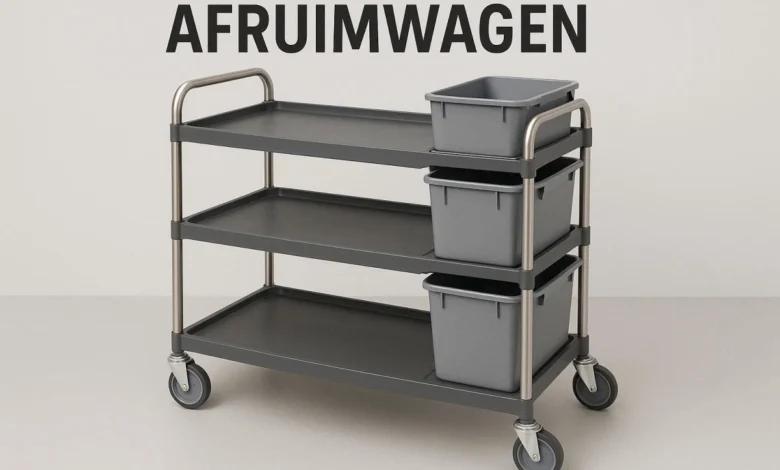
Afruimwagens (singular: afruimwagen) is a Dutch term meaning clearing wagons or clearing trolleys. These practical wheeled carts are designed to collect, transport, and remove dishes, trays, glasses, cutlery, food waste, cleaning supplies, or service items quickly and efficiently. In 2026, they remain essential equipment across Europe, especially in hospitality, catering, healthcare, and institutional settings.
The word comes from “afruimen” (to clear away tables or remove used items) and “wagen” (wagon/cart). In Germany, these products are often searched under names such as Abräumwagen, Servierwagen, Räumwagen, utility trolley, or dish clearing trolley. While the name may differ, the purpose is the same: reduce unnecessary staff movement and improve workflow.
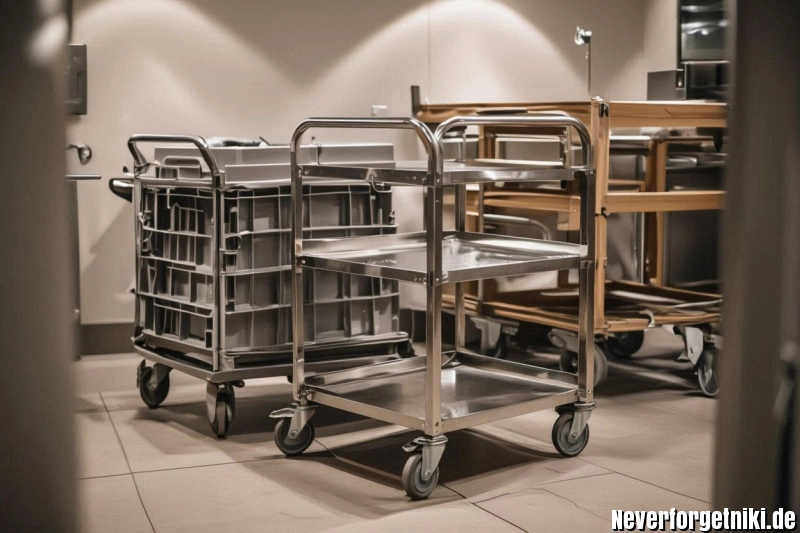
Modern afruimwagens are commonly made from stainless steel (RVS), aluminum, or durable commercial-grade plastic. Many feature multiple shelves, integrated waste bins, side rails, swivel castors, and ergonomic push handles. They allow staff to clear several tables in one trip rather than making repeated back-and-forth journeys between dining area and kitchen.
For German restaurants, hotels, canteens, and hospitals, efficiency is more valuable than ever in 2026. Rising labor costs and pressure for faster service mean every saved minute matters. That is why afruimwagens are no longer seen as optional accessories—they are productivity tools.
Meaning of the Dutch Term
The term is widely used in the Netherlands and Belgium, but German buyers increasingly encounter it in B2B catering supply catalogs.
Why They Matter in Germany
German horeca businesses focus strongly on workflow, hygiene, and staff efficiency—three areas where afruimwagens deliver immediate value.
Why Afruimwagens Are Growing in Demand in 2026
Across Germany, hospitality businesses are modernizing operations. Restaurants, hotels, and event venues want faster table turnover, cleaner service areas, and lower physical strain on staff. Afruimwagens answer all three needs with a simple solution.
Another major factor is labor shortage. Many venues struggle to recruit enough experienced service workers. When staffing is tight, smart equipment becomes crucial. One staff member using a high-capacity trolley can often perform work that previously required two people making repeated trips.
The growth of buffet dining, canteens, coworking spaces, and self-service concepts also boosts demand. These environments generate continuous tray returns, dishes, cups, and waste. Without a proper trolley system, clutter builds quickly and service slows down.
German customers also expect clean, organized dining spaces. A noisy plastic cart with poor wheels can ruin ambiance. Premium 2026 models now feature silent castors, sleek stainless steel finishes, and smooth maneuverability. That means they work efficiently without disturbing guests.
Hospitality Recovery & Efficiency Trends
As tourism and dining activity continue to grow, businesses are investing in operational tools rather than only front-end décor.
Labor Shortages and Automation Support
Afruimwagens are a low-cost efficiency upgrade compared with expensive automation systems.
Main Uses of Afruimwagens
Afruimwagens are versatile tools used far beyond restaurants. Their design allows easy transport of many items safely and hygienically.
Restaurants, Hotels & Cafés
This is the most common use case. Staff use them to collect plates, glasses, trays, cutlery, and leftover waste from dining tables. In hotels, they are valuable for breakfast buffet clearances and room service returns. In cafés, compact models fit narrow spaces while still increasing speed.
Hospitals, Offices & Institutions
Healthcare facilities use specialized hygiene-focused trolleys for trays, linens, waste bins, and supply movement. Offices and schools use them in cafeterias and maintenance operations. Retirement homes rely on them daily for meal service and clearing.
Some agricultural or warehouse environments also use larger trolley variants, though in Germany the strongest demand remains hospitality and institutional sectors.
Key Features to Look For
Choosing the right afruimwagen is about more than price. Wheel quality, hygiene, durability, and maneuverability often matter more over time.
Materials and Hygiene
Stainless steel (RVS) remains the preferred material in 2026. It resists corrosion, handles moisture well, and is easy to sanitize. Rounded corners reduce dirt buildup. Food-safe plastic models can work for lighter use and lower budgets.
Wheels, Capacity & Ergonomics
Look for 360° swivel castors, quiet rolling wheels, and at least two brakes. Poor wheels turn a useful cart into a daily frustration. Ergonomic handles reduce wrist strain, while anti-slip shelves help secure glasses and plates.
| Feature | Why It Matters |
|---|---|
| Stainless Steel | Hygiene & durability |
| Silent Wheels | Better guest experience |
| Brakes | Safety on slopes |
| Raised Shelf Edges | Prevent spills |
| Waste Compartments | Faster sorting |
Types of Afruimwagens Available
Different venues need different trolley designs. Buying the wrong size or type can waste space and money.
Standard Models
These are the most common 2–3 shelf trolleys used in restaurants and cafés. They balance affordability with practical daily performance.
Heavy-Duty and Compact Models
Heavy-duty models use reinforced frames for banquet halls, canteens, and hotels with high dish volume. Compact models are ideal for smaller cafés, bakeries, or tight kitchen corridors. Foldable units are gaining popularity in Germany where storage space is limited.
Benefits of Using Afruimwagens
A good trolley often pays for itself quickly through saved time and reduced breakage.
Faster Operations
Staff clear tables faster, reset seating quicker, and spend less time walking. In busy lunch periods, that can directly improve turnover and revenue.
Lower Costs and Better Safety
Carrying stacks of plates manually increases risk of drops and injury. Afruimwagens reduce lifting strain, improve posture, and lower the chance of accidents. They also help keep service areas tidy, reducing slip hazards from spills or clutter.
Think of it like upgrading from carrying groceries by hand to using a cart—you do more with less effort.
How to Choose the Best Afruimwagen in Germany
German buyers should match trolley choice to business size and daily traffic.
Small Venues vs Large Venues
| Venue Type | Recommended Model |
|---|---|
| Small Café | Compact 2-shelf trolley |
| Restaurant | 3-shelf stainless model |
| Hotel | Heavy-duty multi-bin unit |
| Hospital | Hygiene-grade enclosed model |
| Canteen | Large tray-return trolley |
Also check:
- Load capacity
- Warranty length
- Spare wheel availability
- Ease of cleaning
- Noise level
Buying the cheapest cart can become expensive if wheels fail after six months.
Maintenance Tips
Daily care extends trolley lifespan significantly. Clean surfaces with food-safe detergent after service. Inspect wheels weekly for hair, dirt, or damage. Tighten loose bolts monthly. Store indoors in dry conditions when possible.
Train staff not to overload shelves unevenly. A well-treated trolley can last many years in commercial use.
Conclusion
Afruimwagens are one of the smartest low-cost investments for German hospitality and service businesses in 2026. They improve speed, hygiene, staff comfort, and guest experience without needing major operational changes. Whether you run a small café in Berlin or a hotel in Munich, the right clearing trolley helps work flow smoothly every day.
The best strategy is simple: choose quality wheels, durable materials, and the right size for your venue. Efficiency often starts with tools that quietly do their job.
FAQs
1. What is Afruimwagens in German?
Usually similar to Abräumwagen, Servierwagen, or clearing trolley.
2. Are stainless steel models better?
Yes, for hygiene, durability, and professional food-service use.
3. How much does an afruimwagen cost in Germany?
Entry models can start low, while premium commercial units cost significantly more depending on size and brand.
4. Are silent wheels worth it?
Absolutely. They improve guest experience and reduce staff annoyance during long shifts.
5. Which businesses need afruimwagens most?
Restaurants, hotels, hospitals, canteens, schools, and event venues.